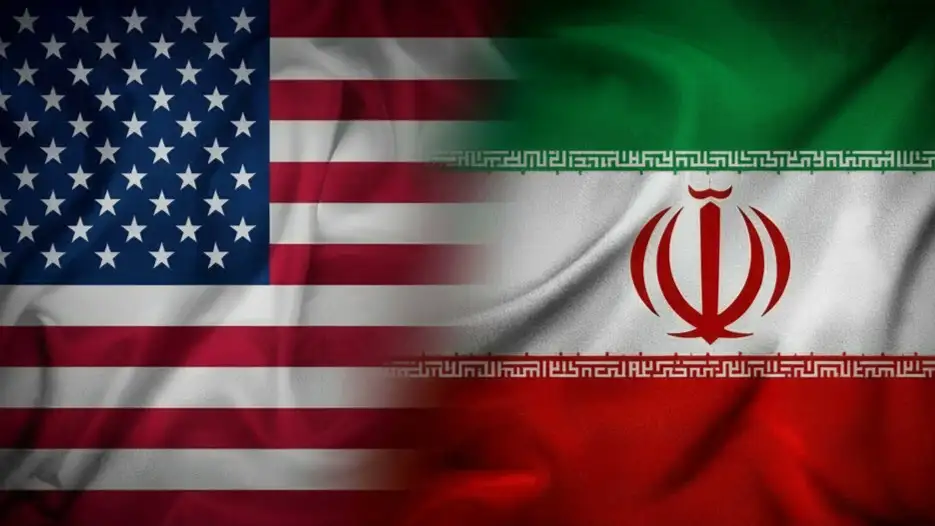
Following the intense military exchanges of early 2026 including the “Operation Epic Fury” air campaign and retaliatory strikes across the Persian Gulf, this market acts as a real-time gauge of extreme geopolitical escalation. Rather than measuring diplomatic posturing, it tracks the perceived likelihood of a full-scale, physical ground offensive by the U.S. military.
Despite aggressive rhetoric from the Trump administration, the market heavily favors a non-invasion outcome, reflecting strong skepticism that the U.S. will commit to a costly ground war.
Contract resolution
The contract settles “Yes” if the U.S. launches a military offensive involving land forces to establish control over any part of Iranian sovereign territory before January 1, 2027. Special forces raids that do not attempt to hold territory or proxy clashes do not trigger a “Yes” resolution.
Market dynamics
With over $43 million in trading volume, this is one of the most liquid geopolitical markets. The “Yes” contract has hovered between 20% and 30%, spiking during carrier strike group movements or tough White House statements, but quickly fading back. Traders consistently sell the “Yes” spikes. The consensus is that while the U.S. will use air power and blockades as a land invasion is logistically and politically prohibitive.
Related markets
- Will the Iranian regime fall before 2027
- Strait of Hormuz traffic back to normal in July 2026
- US-Iran final nuclear deal by December 31, 2026
- Israel-Iran permanent peace deal by July 31, 2026
Trading edge
This is a territorial sovereignty contract, not a general “conflict” contract. At current odds, holding “No” contracts acts as a steady yield play, provided traders can withstand short-term volatility. The best entry points for “No” positions occur during “hot” news cycles when unverified reports of troop movements trigger panic buying of “Yes.”