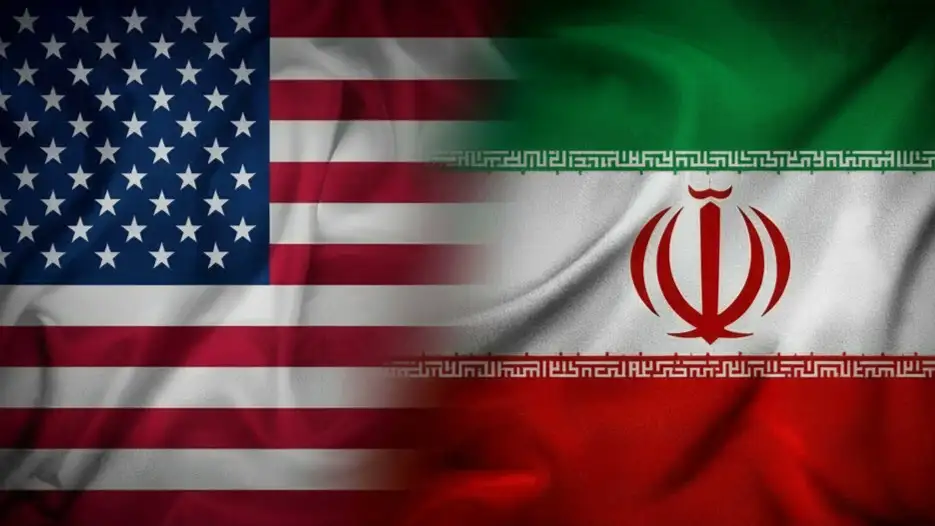
The Trump administration has established a 60-day interim window and waived select sanctions. But what are the odds that Washington and Tehran will sign a formal nuclear agreement by December 31, 2026?
They are a real-time barometer of sentiment on Trump’s Middle East strategy amid diplomatic maneuvers, oil dynamics and the recent re-admission of IAEA inspectors.
Contracts are short to medium-dated with strong speculative interest, driven by fast-moving headlines, though tempered by deep mistrust.
Contract resolution
The contract settles “Yes” if the U.S. and Iran officially sign a new written nuclear deal by December 31, 2026. Interim memorandums, temporary sanction waivers or vague pledges without verifiable metrics or explicit caps on uranium enrichment do not qualify, as the focus is on a binding framework.
Market dynamics
Statements from Vice President JD Vance or indirect talks in Doha may fuel volatility. Odds might spike on incremental breakthroughs but often fade due to legal and technical barriers, a classic overreaction to news hypes.
Related markets
Trading edge
These are final-agreement bets, not loose diplomatic ceasefires. While the negotiation window brings in significant volatility, the “YES” scenario for a comprehensive deal remains a low-to-moderate probability. Traders can exploit overreactions to talk extensions and monitor crude oil sentiment, though tail risks like a sudden diplomatic breakthrough warrant disciplined position sizing.