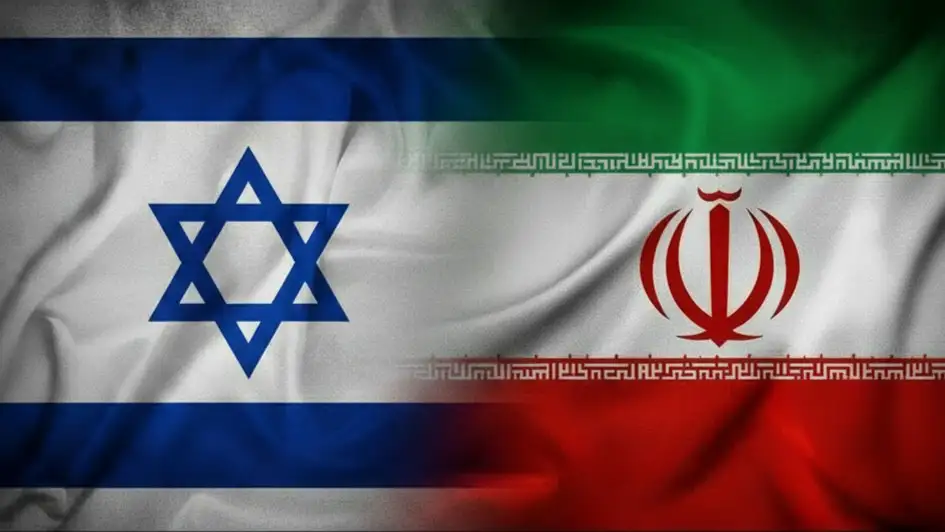
Will the Israeli government and Tehran lock in an end to their conflict before the summer? With a heavy inflow of capital hitting geopolitical prediction pools, all eyes are on the fast-approaching July contract to see if a breakthrough can beat the clock.
These markets are a real-time barometer of sentiment on the current diplomacy, capturing the friction between recent Israeli airstrikes in Lebanon and reports of a signed US-Iran memorandum of understanding to end the broader war.
Contracts are short-dated with robust trading volume, acting as a highly speculative proxy for whether ongoing backchannel talks can lead to a binding text.
Contract resolution
The contract settles “Yes” if Israel and Iran officially sign and announce a permanent peace treaty or comprehensive bilateral agreement on or before July 31, 2026. Temporary frameworks, unilateral ceasefires or partial de-escalation do not qualify if they fall short of a formal, permanent end of hostilities.
Market dynamics
The July 31 contract is priced with a heavy skepticism premium with odds briefly popping whenever Washington touts that regional agreements are “proceeding nicely,” but falling markets lean heavily toward later autumn or end-of-year dates for a true resolution.
Related markets
- Strait of Hormuz traffic back to normal in June?
- US-Iran permanent peace deal by June 30, 2026?
- Will the Iranian regime fall before 2027?
Trading edge
This contract is a strict deadline play, making it highly sensitive to time decay. Because a comprehensive regional “Grand Bargain” might takes months to formalize, the “YES” shares are a low-probability, high-payout gamble. The sharpest angle is trading the immediate news flow: fading the overreactive spikes triggered by optimistic leaks, while carefully watching actual military posture data and Israeli cabinet statements to see if a real diplomatic breakthrough justifies a late-stage hedge.