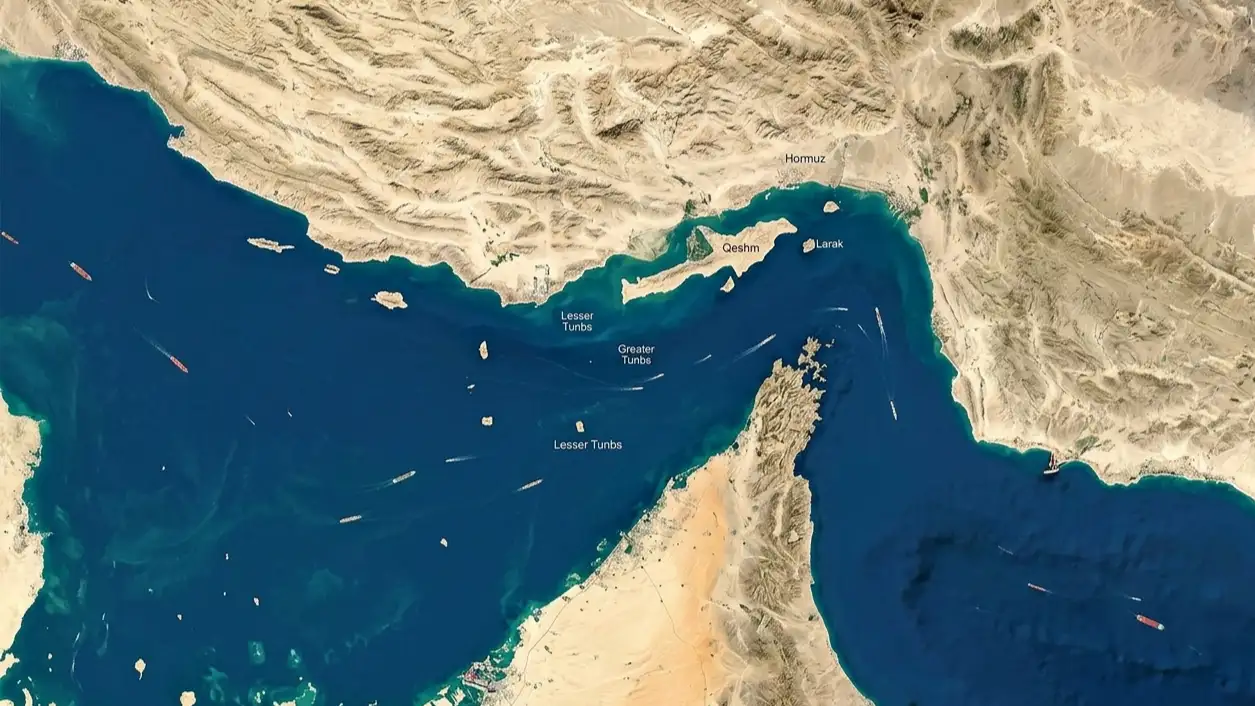
The deadlock around the Persian Gulf continues to strain global supply chains. But what are the odds that shipping traffic through the Strait of Hormuz will finally return to normal levels by September 30, 2026?
They track sentiment on whether the late-July military escalations and tanker strikes will give way to a durable transit mechanism before commercial crude inventories hit critical bottoms.
Market participants are balancing news of fragile diplomatic overtures via Oman against severe structural barriers, namely war-risk insurance premiums, sea mines and physical damage to regional infrastructure.
Contract resolution
The contract settles “Yes” if the IMF PortWatch system tracks a 7-day moving average of 60 or more commercial vessels such as tankers and container ships transiting the Strait on any day by September 30, 2026. Given that late-July tanker attacks knocked daily transit down by over 40% again, reaching a sustained 60-ship average requires an uninterrupted turnaround.
Market dynamics
Probabilities for a September recovery remain heavily suppressed. While temporary diplomatic lulls occasionally cause “Yes” odds to pop, prices quickly retreat as news of fresh naval skirmishes or insurance rejections reminds traders of the multi-month operational lag neede to restore commercial trust.
Trading edge
This remains an operational timeline bet rather than a political headline game. Even if a formal cease-fire or transit agreement is signed in August, industry analysts emphasize that clearing minefields and re-underwriting marine insurance under standard terms takes at least 60 to 90 days. Short-term spikes in “Yes” contracts driven by peaceful rhetoric offer prime fading opportunities for fundamental traders.
Related markets