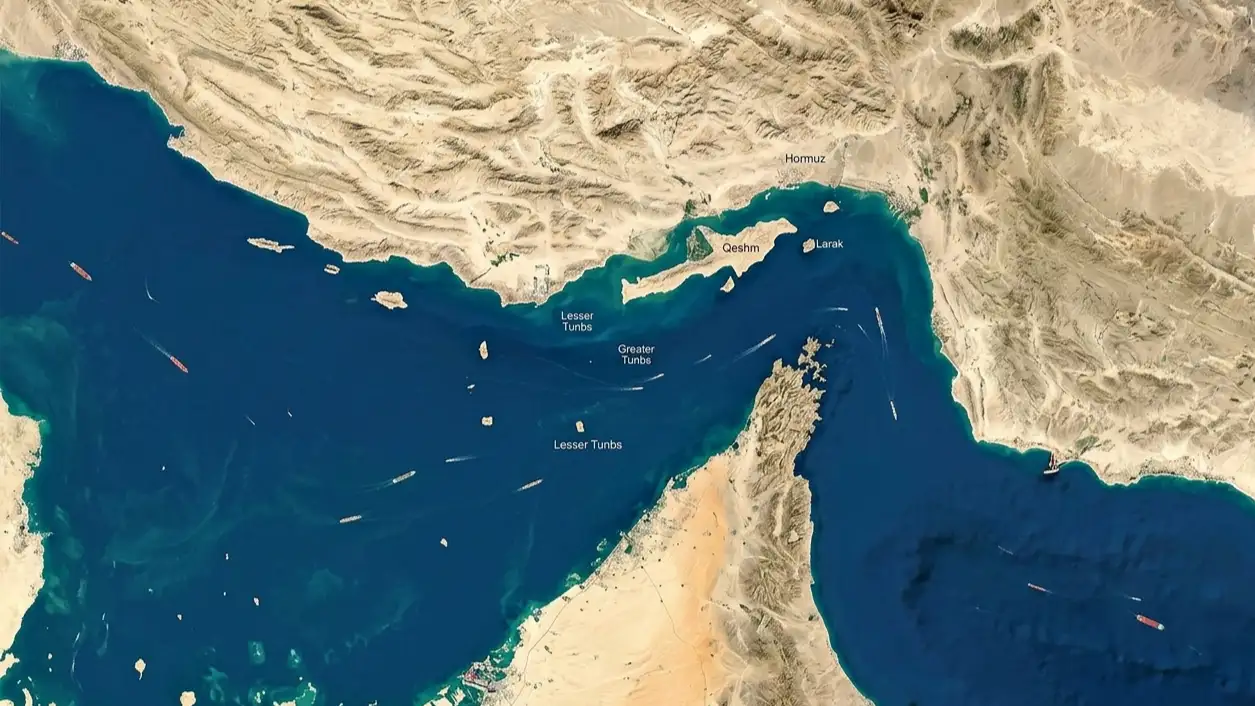
The Trump administration’s military posture in the Middle East has reached a fever pitch. But what are the odds that shipping traffic through the Strait of Hormuz will return to normal by April 30, 2026?
They are a real-time barometer of sentiment on the high-stakes standoff between Washington and Tehran following the collapse of the Islamabad peace talks and the subsequent U.S. naval blockade.
Contracts are short-dated with massive volume, driven by breaking headlines of naval skirmishes and “Truth Social” updates, but traders should watch for the physical reality of sea mines and Iran’s Revolutionary Guard (IRGC) presence.
Resolution
The contract settles “Yes” if the IMF PortWatch system reports a seven-day moving average of 60 or more transiting vessels such as container ships or tankers on any day by April 30, 2026. Official government announcements or minor “truce” periods do not qualify.
Market dynamics
Extreme volatility defines this market, and while a brief ceasefire briefly pushed “Yes” odds higher, recent reports of the IRGC firing on tankers and the U.S. enforcing a rigid blockade have sent probabilities plunging.
Related markets
- End of US/Israel – Iran conflict in 2026
- Oil price in April 2026
- Will the Iranian regime fall before 2027
Trading edge
This is a data-driven volume bet instead of a diplomatic sentiment poll. Traders should watch the “7-day moving average” rather than individual ship sightings. While rhetoric suggests a deal is “happening,” the physical bottleneck and insurance risk for shipping lines make the “NO” scenario a strong fundamental play, though a sudden “blockade lifted” tweet from Trump remains a tail risk.