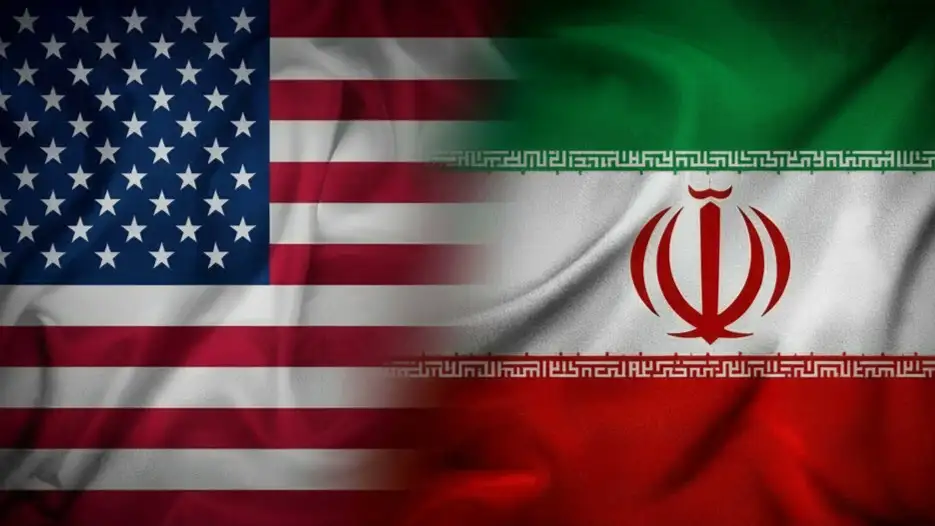
The Trump administration is oscillating between “total victory” rhetoric and the pursuit of a “Grand Bargain” with Tehran. But what are the odds that this multi-front conflict involving direct strikes and naval blockades will reach a formal conclusion in 2026?
These markets act as a real-time barometer of sentiment on Trump’s high-stakes “maximum pressure 2.0,” weighing his aggressive military strikes against his wish to lower global oil prices and avoid “forever wars.”
Contracts are split between short-term humanitarian pauses and long-term settlement dates, with heavy volume driven by daily headlines from the Strait of Hormuz and diplomatic backchannels in Islamabad.
Resolution
The contract settles “Yes” if the U.S. and Iran officially announce a political framework that halts direct military engagements in 2026. Partial pauses, unilateral “shadow” de-escalations or deals involving only proxies like Hezbollah or the Houthis do not qualify, as the focus is on a formal end of hostilities.
Market dynamics
Prices may swing wildly based on Trump’s social media posts or reports of “insider” trades before major announcements. While short-dated ceasefire odds often spike on rumors, the “Year-End 2026” contracts reflect more sobriety.
Related markets
Trading edge
Traders should distinguish between rhetorical de-escalation and structural agreements. The “YES” scenario hinges on Iran’s economic breaking point versus Trump’s willingness to compromise on nuclear enrichment. Savvy participants exploit the “rhetoric premium” by selling the hype of aggressive “deadline” posts while monitoring the actual flow of Iraqi oil and IMF Portwatch data as a lead indicator for true resolution.