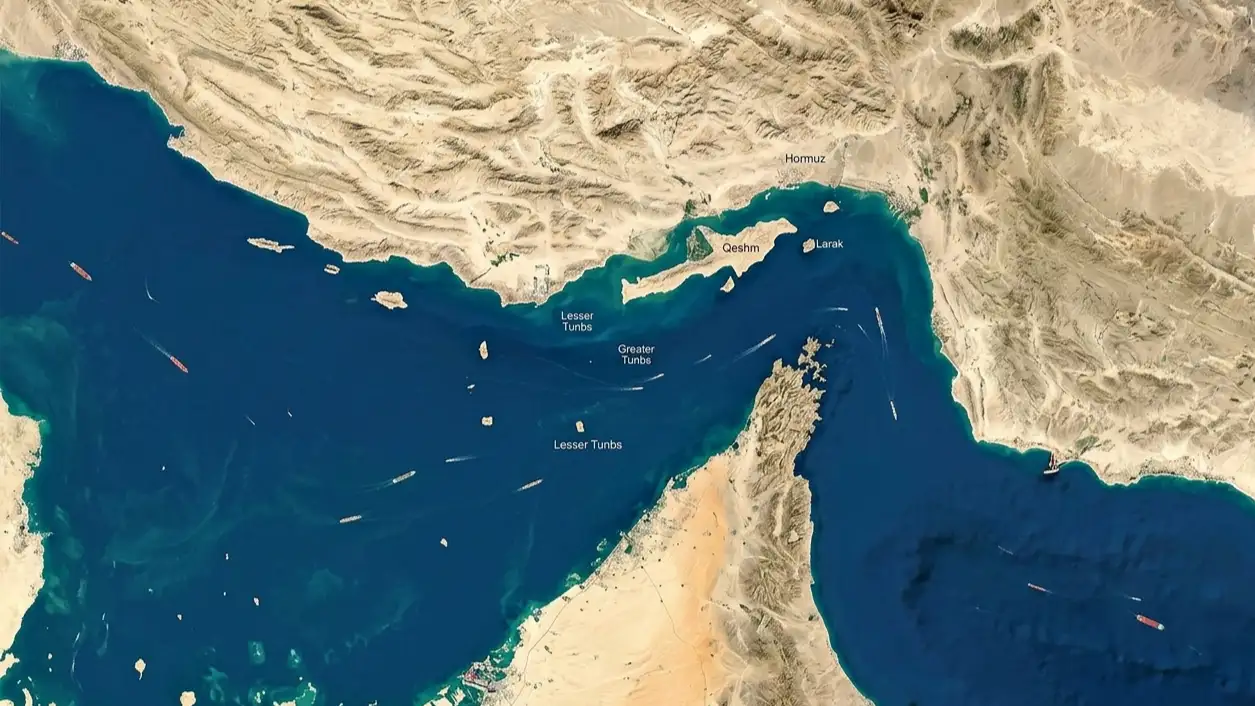
The Trump administration’s naval blockade and its “Project Freedom” escort initiative have kept the Persian Gulf in a state of high friction. But what are the odds that shipping traffic through the Strait of Hormuz will finally return to normal levels by the end of June 2026?
These markets act as a real-time barometer of sentiment on the ongoing deadlock between Washington and Tehran. With May drawing to a close under the shadow of heavy naval deployments and unresolved insurance standoffs, the market’s focus has shifted entirely to whether June will bring a diplomatic breakthrough or a continuation of the grinding blockade.
Contracts for June are seeing high trading volume, sensitive to daily military briefings, as well as back-channel diplomatic rumors involving Chinese mediators.
Resolution
The contract settles “Yes” if the IMF PortWatch transit data tracks a 7-day moving average of 60 or more commercial vessels such as tankers and container ships transiting the Strait on any day by June 30, 2026. Given that May traffic remained choked to a fraction of its historical average, hitting this threshold requires a massive, sustained resumption of commercial shipping.
Market dynamics
Uncertainty dominates the June outlook as the market may react to any sign of a framework agreement. Prices spike on headlines suggesting a phased U.S. naval drawdown, only to retreat when insurance syndicates maintain their war risk exclusions.
Related markets
Trading edge
This contract measures actual economic activity, not just political handshakes. Even if the Trump administration and Tehran reach an agreement early in the month, the physical logistics of sweeping the lanes and clearing the massive backlog of stranded ships will take weeks. Savvy traders are treating early “Yes” surges as overreactions, preferring to back the “No” unless a comprehensive security guarantee is fully implemented by mid-month.